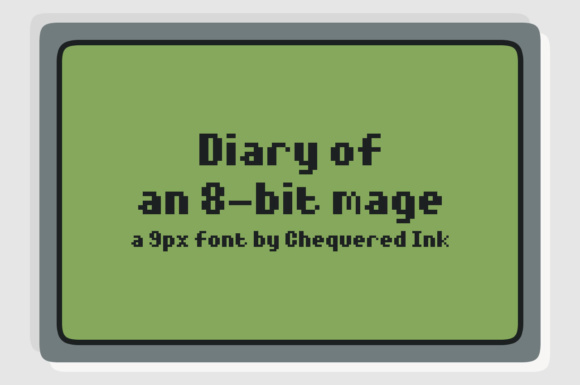
The Evolution of Retro Aesthetics: Diary of an 8-bit Mage and the 9px Bitmap Font
In the ever-evolving landscape of digital design, retro aesthetics have carved out a significant niche, especially in video games, branding, and visual storytelling. Among the most intriguing trends is the resurgence of 8-bit art and the use of 9px bitmap fonts. At the heart of this movement lies Diary of an 8-bit Mage, a creative project that not only captures the essence of retro gaming but also reflects broader shifts in design, technology, and consumer culture.
The 8-bit era, characterized by its pixelated graphics and limited color palettes, was once considered outdated. However, in recent years, it has experienced a renaissance, driven by nostalgia, indie game development, and a growing appreciation for minimalist design. This shift isn’t just about looking back—it’s about reimagining the past through a modern lens, blending old-school charm with contemporary functionality.
What is Diary of an 8-bit Mage?
Diary of an 8-bit Mage is more than just a collection of pixel art; it's a narrative-driven exploration of the 8-bit world. Created by an independent artist or group, the project combines storytelling with visual design, offering a glimpse into a fantasy realm rendered in the style of classic video games. Each entry in the diary is a carefully crafted piece of art, often accompanied by text that mimics the style of early RPGs, complete with simple dialogue and quest logs.
This unique approach allows creators to engage audiences in a way that feels both familiar and fresh. By drawing on the conventions of 8-bit games—such as side-scrolling adventures, limited animations, and text-based narratives—Diary of an 8-bit Mage taps into a deep well of cultural memory while pushing the boundaries of what such a format can achieve.
The Role of the 9px Bitmap Font
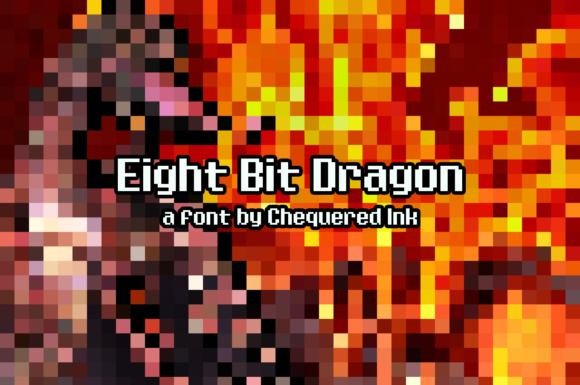
A crucial element of the 8-bit aesthetic is the use of bitmap fonts, particularly the 9px variety. These fonts are designed to be legible at small sizes, making them ideal for retro-style interfaces, game HUDs, and pixel art. The 9px size strikes a balance between readability and authenticity, ensuring that text remains clear without overwhelming the visual composition.
Bitmap fonts like the 9px variant are not just nostalgic throwbacks—they’re practical tools for designers working within constrained environments. In the context of video games, they allow developers to maintain consistency across different platforms and resolutions. For artists and illustrators, they offer a way to add text to their work without disrupting the retro vibe.
The popularity of 9px bitmap fonts has also extended beyond gaming. They are now used in branding, web design, and even print media, where their clean, sharp appearance aligns with minimalist and vintage styles. This cross-industry adoption highlights the versatility of retro design elements and their ability to resonate with diverse audiences.
Retro Aesthetics in the Broader Industry
The appeal of Diary of an 8-bit Mage and the 9px bitmap font is part of a larger trend in the creative and tech industries. As consumers become more discerning, there’s a growing demand for authenticity, craftsmanship, and emotional resonance in digital content. This has led to a renewed interest in analog techniques and retro-inspired designs.
Indie game developers, in particular, have embraced the 8-bit aesthetic as a way to stand out in a crowded market. By leveraging the simplicity and charm of pixel art, they can create immersive experiences without the need for high-end graphics. This approach not only reduces development costs but also fosters a deeper connection with players who appreciate the artistry behind the visuals.
Beyond gaming, the influence of retro aesthetics is evident in branding and marketing. Companies are increasingly using 8-bit and pixel art styles to differentiate themselves and connect with younger, tech-savvy audiences. This strategy is especially effective in industries like fashion, music, and entertainment, where visual identity plays a critical role.
Why People Are Paying Attention
The success of Diary of an 8-bit Mage and similar projects can be attributed to several factors. First, there’s the power of nostalgia. For many, 8-bit games represent a formative period in their lives, and revisiting that era offers a sense of comfort and familiarity. This emotional connection makes the content more engaging and relatable.
Second, the project exemplifies the value of creativity and originality. In a world saturated with high-budget, hyper-realistic media, Diary of an 8-bit Mage stands out by embracing simplicity and imagination. It proves that compelling storytelling doesn’t require advanced technology—it just needs a strong vision and a dedicated audience.
Finally, the project aligns with current trends in digital culture. With the rise of blockchain, NFTs, and decentralized platforms, there’s a growing emphasis on ownership, community, and shared experiences. Diary of an 8-bit Mage taps into this sentiment by fostering a sense of belonging among its followers, who often participate in discussions, fan art, and collaborative projects.
Changing Needs and Preferences
As the creative industry evolves, so do the expectations of professionals, entrepreneurs, and designers. There’s a shift toward more sustainable, ethical, and inclusive practices, which has influenced the way people approach design and content creation. Diary of an 8-bit Mage reflects this change by emphasizing quality over quantity and authenticity over trends.
Moreover, the project resonates with a generation that values efficiency and clarity. In an age where information overload is common, the simplicity of 8-bit art and 9px fonts offers a refreshing alternative. These elements are easy to digest, visually appealing, and emotionally engaging, making them ideal for a wide range of applications.
This shift in preferences is also evident in the way people consume media. With the rise of mobile devices and social platforms, there’s a greater emphasis on bite-sized, visually striking content. Diary of an 8-bit Mage meets this demand by delivering concise, impactful stories that can be easily shared and appreciated.
Practical Applications and Observations
The principles behind Diary of an 8-bit Mage and the 9px bitmap font have real-world applications for professionals in various fields. For instance, UX designers can use retro aesthetics to create intuitive, user-friendly interfaces that evoke a sense of familiarity. Graphic designers can incorporate 8-bit elements into branding materials to stand out in competitive markets.
Entrepreneurs and marketers can also benefit from these trends. By adopting a retro style, they can differentiate their products and services, build brand loyalty, and tap into niche audiences. This approach is particularly effective in industries that value creativity and innovation, such as gaming, fashion, and digital art.
Additionally, the project serves as a case study in content creation and audience engagement. By maintaining a consistent tone, visual style, and narrative structure, the creators have built a loyal following that actively participates in the community. This model can be replicated by others looking to establish a strong online presence and foster meaningful connections with their audience.
Conclusion
The resurgence of 8-bit art and the 9px bitmap font is more than a passing trend—it’s a reflection of changing attitudes toward design, storytelling, and digital culture. Diary of an 8-bit Mage exemplifies this shift, offering a compelling blend of nostalgia, creativity, and relevance. As the industry continues to evolve, the lessons learned from this project will remain valuable for professionals, creators, and enthusiasts alike.
Whether you're a designer, developer, marketer, or simply a fan of retro aesthetics, the world of 8-bit art and pixel fonts presents endless possibilities. By embracing these elements, you can create content that not only looks great but also resonates deeply with your audience.