A Goblin Appears: A Retro Font for Modern Workflows
For professionals, creators, and productivity-focused individuals, the right tools can make all the difference. One such tool that has gained attention in recent years is A Goblin Appears, a 7px font that brings a retro aesthetic to digital design. While it may seem like a niche choice, its unique character can enhance workflows across various creative and professional domains.
This article explores how A Goblin Appears fits into broader processes, from project planning to final execution. Whether you're working on a marketing campaign, developing a website, or designing a personal project, understanding how to use this font effectively can add value to your work.
Understanding A Goblin Appears
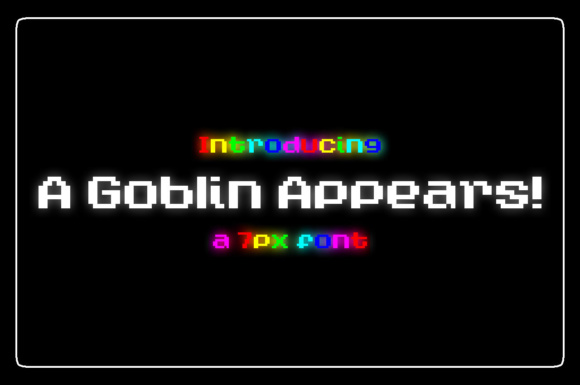
A Goblin Appears is more than just a font—it's a design element that evokes nostalgia and simplicity. Its 7px size gives it a pixelated, low-resolution look that harks back to early video games and retro computing. This visual style isn't just about aesthetics; it can also serve functional purposes in specific contexts.
The font is often used in game design, indie projects, and branding that aims to capture a vintage feel. However, its applications extend beyond gaming. In web design, it can be used to create a playful or whimsical tone, especially in sites targeting younger audiences or those with a nostalgic appeal.
When considering A Goblin Appears, it's important to understand its limitations. The small size and monospaced nature mean it may not be suitable for large blocks of text. It works best as a decorative element or for short phrases that need to stand out.
Integrating A Goblin Appears into Your Workflow
Whether you're starting a new project or refining an existing one, A Goblin Appears can be a valuable addition. Here are some practical ways to incorporate it into your workflow:
- Before a Project: Use A Goblin Appears to brainstorm or sketch ideas. Its retro look can inspire creativity and help you think outside the box.
- During a Project: Apply the font to headers, labels, or UI elements to maintain a consistent retro theme throughout your design.
- After a Project: Use it for promotional materials, social media posts, or packaging to give your work a distinctive identity.
By integrating A Goblin Appears at different stages, you can ensure it complements your overall design strategy without overwhelming the user experience.
Compatibility and Usability
When using A Goblin Appears, compatibility is key. Ensure that the font works well with other design elements, such as colors, layouts, and typography. It should enhance the visual hierarchy rather than distract from it.
Usability is another important factor. Since the font is small and pixelated, it may not be ideal for body text. Instead, use it for titles, buttons, or icons where its unique style can shine. Testing it across different platforms and devices will help ensure it displays correctly and maintains its intended effect.
Additionally, consider how A Goblin Appears interacts with other fonts and design systems. If you're working within a larger brand identity, make sure the font aligns with your overall visual language. This consistency helps maintain professionalism while adding a touch of personality.
Practical Implementation Tips
To get the most out of A Goblin Appears, follow these implementation tips:
- Use Sparingly: Avoid overusing the font. It’s most effective when used as a highlight or accent rather than the primary text.
- Pair with Complementary Styles: Combine it with modern fonts or clean designs to balance retro and contemporary elements.
- Test Across Devices: Check how the font appears on different screen sizes and resolutions to ensure readability and consistency.
- Consider Accessibility: Make sure that any text using A Goblin Appears remains legible, especially for users with visual impairments.
These strategies will help you leverage the font’s strengths while avoiding potential pitfalls.
Real-World Use Cases
Here are a few examples of how A Goblin Appears can be applied in real-world scenarios:
- Game Development: Indie developers often use the font to create authentic retro-style interfaces, enhancing the player's immersion in the game world.
- Marketing Campaigns: Brands targeting a nostalgic audience might use A Goblin Appears in advertisements or social media content to evoke a sense of familiarity and fun.
- Personal Projects: Hobbyists and creatives can apply the font to websites, blogs, or digital art to add a unique flair and differentiate their work from others.
- Education: Teachers or educators might use the font in presentations or learning materials to engage students with a visually interesting approach.
Each of these use cases demonstrates how A Goblin Appears can be adapted to fit specific needs and goals.
Long-Term Use and Maintenance
If you plan to use A Goblin Appears over the long term, consider how it will fit into your ongoing workflow. Regularly review its effectiveness and make adjustments as needed. For example, if a project evolves or new design trends emerge, you may need to refine how the font is used.
Maintaining consistency is also crucial. If you're using the font across multiple platforms or projects, establish clear guidelines to ensure it's applied uniformly. This helps reinforce your brand identity and avoids confusion among users.
Finally, stay informed about updates or changes to the font. While A Goblin Appears may be a static font, new versions or variations could offer additional features or improvements that enhance your workflow.
Conclusion
A Goblin Appears is more than just a retro font—it's a versatile tool that can enhance creativity, branding, and design in various contexts. By understanding its strengths, limitations, and integration possibilities, you can use it effectively in your projects and workflows.
Whether you're a designer, marketer, developer, or hobbyist, incorporating A Goblin Appears into your work can add a unique touch that sets your creations apart. With careful planning and thoughtful implementation, this font can become a valuable asset in your design toolkit.