Embryonoid: A Gothic Font with a Modern Touch
In the world of typography, fonts serve as more than just visual elements—they convey emotion, tone, and identity. One such font that has captured attention for its unique aesthetic is Embryonoid. This gothic font blends traditional design elements with a modern sensibility, evoking the intricate beauty of a stained glass window. For designers, developers, and content creators seeking a distinctive visual style, Embryonoid offers a compelling option. However, like any tool, it comes with its own set of considerations.
Understanding what Embryonoid is—and how it might fit into your design or project—requires a closer look at its characteristics, applications, and suitability for different use cases.
What Is Embryonoid?
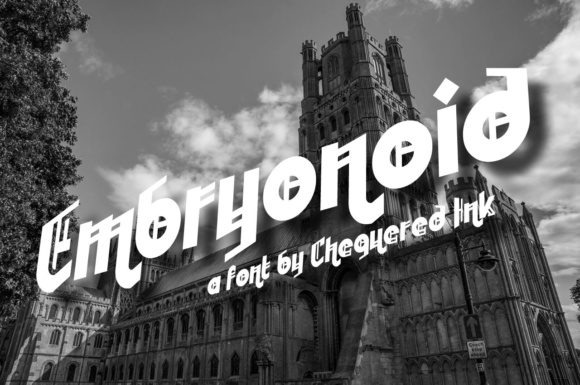
Embryonoid is a gothic-style typeface that draws inspiration from medieval architecture and the ornate details found in stained glass art. Its design features sharp angles, intricate serifs, and a sense of elegance that feels both timeless and contemporary. The font’s structure allows for a strong visual presence, making it ideal for projects that require a dramatic or artistic tone.
Unlike more traditional gothic fonts, which may lean heavily on historical accuracy, Embryonoid incorporates subtle modern touches. These include refined letterforms, balanced spacing, and a level of legibility that makes it suitable for a wider range of applications. Whether used in branding, editorial design, or digital interfaces, Embryonoid can add a unique visual identity to any project.
Why Someone Might Be Interested in Embryonoid
Designers and creatives often seek fonts that stand out while maintaining usability. Embryonoid appeals to those looking for a balance between artistic expression and practicality. Its gothic roots provide a sense of depth and character, while its modern refinements ensure it doesn’t feel outdated or difficult to read.
For projects that aim to evoke a sense of history, mystery, or grandeur, Embryonoid can be an excellent choice. It works well in contexts such as book covers, logos, signage, and web headers where a strong visual statement is desired. Additionally, its aesthetic aligns with themes related to fantasy, literature, and artistic expression, making it a popular choice among niche audiences.
Benefits of Using Embryonoid
The primary benefit of Embryonoid is its ability to create a striking visual impact. Its design elements allow it to command attention without sacrificing readability, especially when used in appropriate sizes and contexts. This makes it versatile for both large-scale displays and smaller text blocks.
Another advantage is its adaptability. While rooted in gothic traditions, Embryonoid’s modern touches make it suitable for a variety of design styles. It can be paired with other fonts to create contrast or used as a standalone element to establish a cohesive theme. Its versatility also extends to digital platforms, where it can be embedded in websites, apps, and other interactive media.
Furthermore, Embryonoid’s aesthetic can enhance brand storytelling. For businesses or individuals looking to communicate a specific mood or message, the font can reinforce that narrative through its visual language. This makes it particularly valuable in creative industries where visual identity plays a key role.
Tradeoffs and Considerations
While Embryonoid offers many advantages, it is not without its limitations. One potential tradeoff is its suitability for certain types of content. Due to its decorative nature, it may not be ideal for body text or long paragraphs, where clarity and ease of reading are paramount. In such cases, a more neutral or sans-serif font might be more appropriate.
Another consideration is the font’s availability and licensing. Not all typefaces are freely available, and some may require purchase or specific licenses for commercial use. Before incorporating Embryonoid into a project, it’s important to verify its terms of use and ensure it meets legal and practical requirements.
Additionally, the font’s aesthetic may not align with every project’s goals. For instance, a minimalist or modern design may benefit more from a clean, straightforward typeface rather than one with intricate details. Understanding the audience and purpose of the design is crucial in determining whether Embryonoid is the right choice.
Situations Where Embryonoid May Be a Strong Fit
Embryonoid excels in scenarios where visual impact and thematic consistency are priorities. It is particularly effective in branding for creative industries, such as publishing, film, or artisanal products. Its gothic flair can help differentiate a brand in a competitive market, offering a unique identity that resonates with target audiences.
It is also well-suited for editorial projects that require a strong visual tone. Book titles, magazine covers, and promotional materials can benefit from the font’s dramatic presence. In these contexts, Embryonoid can help set the mood and elevate the overall design.
For digital experiences, Embryonoid can be used in headers, banners, or section titles to draw attention and guide user interaction. When used sparingly, it can add a touch of sophistication without overwhelming the user experience.
Situations Where Alternatives May Be Worth Considering
In some cases, alternatives to Embryonoid may offer better results. For example, if the goal is to maintain a clean, professional appearance, a more standard serif or sans-serif font could be more effective. Similarly, for projects requiring high legibility across multiple devices and screen sizes, a simpler typeface may be preferable.
When working with a broad audience, it’s also important to consider accessibility. Fonts with complex shapes or heavy ornamentation may pose challenges for readers with visual impairments. In such cases, alternative fonts that prioritize clarity and inclusivity may be more appropriate.
Ultimately, the decision to use Embryonoid should depend on the specific needs of the project, the intended audience, and the desired outcome. Evaluating these factors can help determine whether the font aligns with the goals of the design or content.
Practical Decision-Making Insights
Before committing to Embryonoid, it’s helpful to test it in real-world scenarios. Experimenting with different sizes, colors, and layouts can reveal how well the font performs in various contexts. This process can also highlight any potential issues, such as poor readability or lack of visual harmony.
Consulting with other designers or stakeholders can also provide valuable feedback. Their perspectives can help identify strengths and weaknesses that may not be immediately apparent. Additionally, researching similar fonts and their applications can offer insights into how Embryonoid compares to other options.
Finally, considering the long-term implications of using the font is essential. Will it remain relevant as design trends evolve? Can it be easily replaced if needed? These questions can help ensure that the choice aligns with both current and future goals.
By carefully evaluating the benefits, tradeoffs, and suitability of Embryonoid, designers and creators can make informed decisions that support their projects and objectives. Whether used as a bold statement or a subtle accent, the font has the potential to enhance visual communication when applied thoughtfully.