Alimony: A Modern Gothic Font for Stylish Design
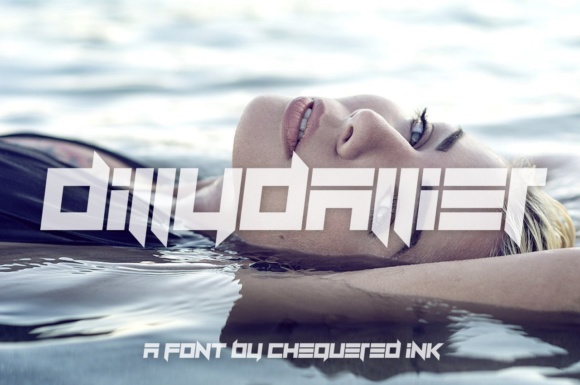
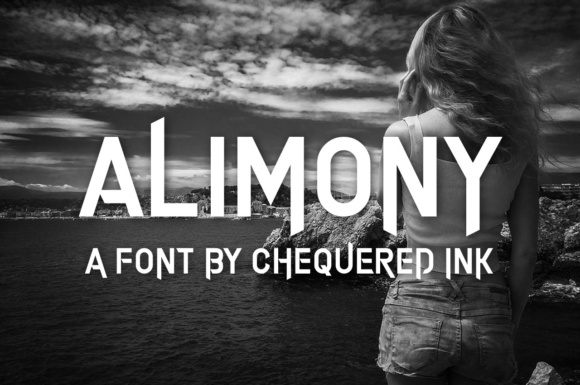
Alimony is a stylised, modern gothic font designed by Chequered Ink that brings a unique blend of elegance and edge to any typographic project. Its name suggests a sense of weight and formality, but the font itself offers something more dynamic and versatile than its title might imply. For designers, marketers, and creators looking for a bold yet refined typeface, Alimony presents an appealing option that balances aesthetic appeal with practical functionality.
Understanding Alimony: A Unique Typographic Offering
At its core, Alimony is a serif font that incorporates elements of traditional gothic design while adding contemporary flourishes. The font’s structure is clean, with sharp angles and strong verticals that evoke a sense of authority and sophistication. These characteristics make it particularly well-suited for branding, editorial design, and digital content where a striking visual identity is essential.
What sets Alimony apart from other gothic fonts is its balance between boldness and readability. While many similar fonts can feel overwhelming or difficult to read in large blocks of text, Alimony maintains a level of clarity that allows it to function effectively in both headlines and body copy. This makes it a valuable tool for designers who need a font that can perform across multiple applications without sacrificing style.
Key Characteristics and Design Elements
The design of Alimony reflects a careful attention to detail, with each letterform carefully crafted to maintain consistency and visual harmony. The font features high contrast between thick and thin strokes, which gives it a dramatic appearance while still preserving legibility. This contrast is especially noticeable in the uppercase letters, where the serifs are more pronounced and the overall structure feels more imposing.
One of the most notable aspects of Alimony is its versatility. The font includes a range of weights and styles, allowing users to select the appropriate version for their specific needs. Whether used for a minimalist logo, a high-impact headline, or a sophisticated magazine layout, Alimony adapts well to different contexts. Its ability to scale effectively across various sizes ensures that it remains visually compelling whether displayed on a billboard or a mobile screen.
Practical Use Cases and Real-World Performance
Alimony’s strength lies in its ability to convey a sense of power and refinement without appearing overly ornate. This makes it ideal for brands targeting a mature, discerning audience. For example, a luxury fashion label might use Alimony in its packaging or website headers to reinforce a sense of exclusivity and craftsmanship. Similarly, a tech startup aiming to project a bold, innovative image could incorporate the font into its branding materials to stand out in a competitive market.
In editorial design, Alimony can be used to create eye-catching headlines that draw readers in while maintaining a cohesive visual language. Its strong presence makes it an excellent choice for magazine covers, book titles, or promotional banners where impact is key. However, due to its bold nature, it may not be the best choice for long-form text, where a more neutral typeface would be preferable for readability.
Strengths and Limitations
One of Alimony’s greatest strengths is its ability to add visual interest without overwhelming the viewer. The font’s design allows it to serve as a focal point while still complementing other design elements. Its clean lines and structured forms make it easy to pair with other typefaces, offering flexibility for multi-font layouts.
However, Alimony is not without its limitations. Its bold and dramatic style may not suit all projects, particularly those requiring a more subtle or modern aesthetic. Additionally, while it performs well in digital formats, its effectiveness in print can depend on the quality of the output. High-resolution printing is recommended to ensure that the fine details of the font remain crisp and clear.
Who Benefits Most from Alimony?
Alimony is particularly well-suited for professionals in creative industries, including graphic designers, marketers, and brand strategists. It offers a powerful tool for those looking to establish a strong visual identity while maintaining a level of sophistication. Entrepreneurs launching new brands or rebranding existing ones may find Alimony useful in creating a memorable and distinctive look.
For educators and publishers, Alimony can be a valuable addition to design portfolios or educational materials that require a strong typographic presence. Its adaptability also makes it a good choice for bloggers and content creators who want to elevate the visual appeal of their work without compromising readability.
Recommendations for Effective Use
To get the most out of Alimony, consider using it strategically rather than as a default choice for all text. Pair it with simpler, sans-serif fonts for balance, and use it primarily for headings, logos, and other prominent design elements. This approach will help maintain visual harmony while allowing Alimony to shine where it matters most.
When working with Alimony, pay close attention to spacing and typography. Adjusting kerning and leading can significantly improve the font’s readability, especially in larger text sizes. Testing the font in different contexts—such as web, print, and mobile—can also help identify any potential issues before finalising a design.
Long-Term Value and Considerations
Investing in a font like Alimony can provide long-term value for designers and businesses that prioritise visual consistency and brand identity. Its unique style ensures that it stands out in a crowded market, making it a worthwhile addition to any design toolkit. However, it’s important to assess whether the font aligns with your overall design strategy and audience expectations.
Ultimately, Alimony is a font that rewards thoughtful application. By understanding its strengths and limitations, users can leverage its stylistic appeal to enhance their work while maintaining professionalism and clarity. Whether used for a single project or as part of a broader design system, Alimony offers a compelling option for those seeking a modern gothic aesthetic with real-world utility.