Embracing the Drowsy Aesthetic: A New Era in Design and Expression
In an age where digital experiences are increasingly personalized and visually distinct, the Drowsy font by Chequered Ink has emerged as a compelling choice for professionals, creators, and entrepreneurs seeking to convey a unique aesthetic. With its soft curves, relaxed structure, and modern sensibility, Drowsy is more than just a typeface—it’s a reflection of evolving design trends and the shifting expectations of today’s audience.
As the digital landscape continues to evolve, so too do the tools that shape our visual communication. Fonts play a crucial role in how we present ideas, whether in branding, content creation, or user interface design. Drowsy, with its blend of casual elegance and readability, offers a fresh alternative to the rigid structures of traditional typography. This article explores the significance of Drowsy, its relevance in contemporary design, and why it’s capturing the attention of professionals across various industries.
The Rise of Drowsy: A Unique Typographic Voice
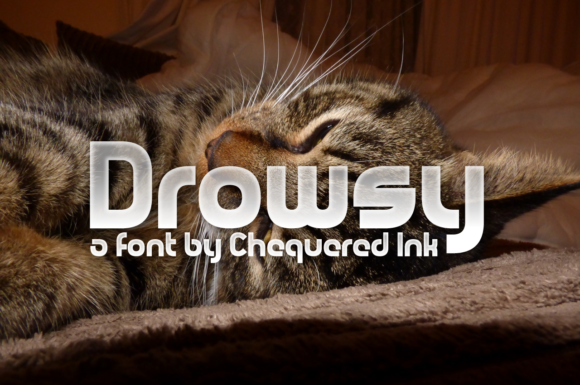
Drowsy is a font that defies convention. Unlike many sans-serif or serif typefaces that prioritize formality or clarity, Drowsy embraces a more fluid and expressive style. Its characters are slightly slanted, with a subtle irregularity that gives it a humanized feel. This makes it ideal for projects that seek to convey warmth, creativity, or a sense of approachability.
Designed by Chequered Ink, Drowsy was crafted with a focus on versatility. It works well in both digital and print formats, making it a go-to choice for designers looking to maintain consistency across platforms. Whether used in a website header, a social media post, or a marketing campaign, Drowsy adds a touch of personality without compromising legibility.
The font’s popularity has grown steadily, particularly among creatives who value originality. In a world saturated with generic typefaces, Drowsy stands out as a distinctive option that allows for greater creative freedom. Its ability to balance style with functionality has made it a favorite among designers, marketers, and content creators alike.
Drowsy in the Broader Context of Design Trends
The rise of Drowsy aligns with broader shifts in the design industry. As businesses and individuals seek to differentiate themselves in a crowded market, the demand for unique and expressive typography has increased. This trend is evident in the growing preference for custom fonts that reflect brand identity and individuality.
Moreover, Drowsy fits into the larger movement toward more human-centric design. In recent years, there has been a shift away from overly structured, mechanical aesthetics toward more organic, relatable visuals. This is reflected in the use of hand-drawn elements, asymmetrical layouts, and typefaces that mimic natural handwriting. Drowsy embodies this philosophy, offering a look that feels both modern and personal.
This trend is not limited to design alone. In the realm of technology, user experience (UX) has become a key differentiator. Companies are investing in interfaces that feel intuitive and engaging, and typography plays a significant role in shaping that experience. Drowsy can be used to create a more inviting and dynamic user interface, enhancing the overall interaction between users and digital products.
Why Drowsy Is Capturing Attention
One of the main reasons Drowsy has gained traction is its ability to resonate with a wide range of audiences. For professionals, it offers a way to communicate with a more casual yet polished tone. For creators, it provides a tool to express their vision in a visually striking manner. And for entrepreneurs, it serves as a powerful branding element that sets them apart from competitors.
Consider the case of a small business owner launching a new product line. By using Drowsy in their marketing materials, they can convey a sense of authenticity and creativity that appeals to their target audience. Similarly, a content creator might use Drowsy in their blog posts or social media content to add a unique visual identity that distinguishes their work from others.
The font’s adaptability also contributes to its appeal. It can be used in a variety of contexts, from minimalist designs to more elaborate compositions. This flexibility makes it a valuable asset for designers who want to experiment with different styles while maintaining a cohesive visual language.
Changing Needs and Expectations in the Digital Age
The increasing reliance on digital platforms has transformed the way people consume information and interact with brands. As a result, the demand for visually engaging and emotionally resonant content has never been higher. Drowsy meets this demand by offering a typeface that is both aesthetically pleasing and functionally effective.
Modern consumers are more discerning than ever. They expect content that is not only informative but also visually appealing. This has led to a greater emphasis on design quality across all forms of media. From websites to mobile apps, the use of high-quality typography is now a standard expectation. Drowsy helps meet this expectation by providing a clean, readable, and distinctive font that enhances the overall user experience.
Additionally, the shift toward remote work and digital collaboration has changed the way professionals communicate. Whether through emails, presentations, or online meetings, the visual elements of communication have become more important. Drowsy can be used to create a more engaging and professional appearance, helping individuals and teams stand out in a virtual environment.
Practical Applications of Drowsy in Real-World Scenarios
Let’s take a closer look at how Drowsy can be applied in real-world situations. In the field of marketing, for instance, it can be used to create eye-catching headlines and call-to-action buttons that capture attention without overwhelming the viewer. Its soft, rounded shapes make it ideal for campaigns that aim to evoke a sense of comfort and trust.
In the realm of web design, Drowsy can be used to enhance the visual hierarchy of a site. By incorporating it into headers, subheadings, or decorative elements, designers can create a more dynamic and engaging layout. This is particularly useful for sites that focus on lifestyle, wellness, or creative industries, where a more relaxed and approachable aesthetic is desired.
For freelancers and independent creators, Drowsy offers a way to build a consistent personal brand. Whether it’s used in a portfolio website, social media profile, or client proposals, the font helps establish a recognizable visual identity that reflects the creator’s style and values.
The Future of Typography and the Role of Drowsy
As we look ahead, the role of typography in design will continue to evolve. With advancements in artificial intelligence and machine learning, we may see the emergence of even more personalized and adaptive typefaces. However, the fundamental need for meaningful and expressive typography will remain unchanged.
Drowsy represents a step forward in this evolution. It combines the best of traditional typography with modern design principles, creating a font that is both functional and expressive. As more professionals recognize the value of unique and thoughtful design, the demand for fonts like Drowsy is likely to grow.
In conclusion, Drowsy is more than just a font—it’s a reflection of current design trends, changing consumer expectations, and the increasing importance of visual storytelling. For those looking to make a lasting impression in the digital world, Drowsy offers a powerful and versatile tool that can elevate their work and set them apart from the competition.