Historycal: A Vintage-Inspired Font for Unique Design Expression
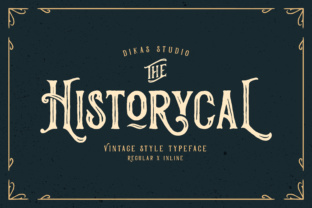
Historycal is a vintage-inspired font that brings a sense of nostalgia and character to modern design. Its distinct style makes it stand out in a crowded market of typefaces, offering designers a tool to create visually compelling work with a historical flair. Whether used in branding, editorial design, or digital media, Historycal adds a layer of authenticity and personality that can elevate a project’s overall aesthetic.
What Makes Historycal Distinct?
Historycal is designed with a focus on vintage typography, drawing inspiration from older fonts that were commonly used in print media, signage, and advertising. The font features subtle imperfections and irregularities that mimic the look of hand-drawn or aged text, giving it a warm, organic feel. These characteristics make it ideal for projects that aim to evoke a sense of history, craftsmanship, or retro charm.
Unlike many contemporary fonts that prioritize clean lines and uniformity, Historycal embraces a more textured and expressive approach. This makes it particularly effective when used in contexts where visual interest and uniqueness are key. The font also comes in multiple styles, allowing users to choose the right variation for their specific needs, whether they require a bold statement or a more subdued tone.
Comparing Historycal to Similar Fonts
When evaluating typefaces, it's important to consider how they compare in terms of style, versatility, and suitability for different applications. Historycal shares some similarities with other vintage-inspired fonts, such as those that emulate 19th- or early 20th-century typography. However, it distinguishes itself through its balance of readability and stylistic flair.
Fonts like Baskerville or Garamond, for example, are classic serif typefaces that offer a timeless look but may lack the distinctive character that Historycal provides. On the other hand, more stylized fonts like Rockwell or Freight Text may have a similar vintage feel but often lean toward a more rigid or decorative appearance. Historycal strikes a middle ground, offering a blend of historical influence and modern usability.
For designers working on projects that require a mix of tradition and innovation, Historycal can be a valuable asset. It allows for creative expression without sacrificing clarity, making it suitable for both print and digital formats. This flexibility is one of its key advantages, especially when compared to fonts that are either too formal or too unconventional for mainstream use.
Strengths and Tradeoffs of Using Historycal
One of the primary strengths of Historycal is its ability to add visual interest without overwhelming the viewer. Its unique texture and subtle variations make it ideal for headings, logos, or other elements where a strong first impression is important. Additionally, the availability of multiple styles means that users can tailor the font to fit different design scenarios, from professional to playful.
However, there are tradeoffs to consider. Because of its vintage aesthetic, Historycal may not be the best choice for all types of projects. In contexts where a more neutral or modern look is preferred, the font’s distinctiveness could be seen as distracting rather than beneficial. It also requires careful pairing with other fonts to ensure that the overall design remains cohesive and readable.
Another consideration is the font’s legibility at smaller sizes. While it performs well in larger formats, such as headlines or banners, it may become less clear when used in body text. This means that designers should use it strategically, reserving it for areas where its visual impact is most needed.
Best Fit Situations for Historycal
Historycal is particularly well-suited for projects that aim to convey a sense of history, craftsmanship, or artistic flair. It works well in branding for businesses that want to emphasize tradition, such as artisanal shops, heritage brands, or cultural institutions. Its vintage appeal can also enhance the look of posters, packaging, and promotional materials that target audiences looking for a nostalgic or authentic experience.
For web designers, Historycal can be an effective choice for site headers, call-to-action buttons, or section titles where a strong visual presence is desired. When used in moderation, it can add character without disrupting the user experience. However, it’s important to test the font across different devices and screen sizes to ensure that it maintains its intended effect.
In editorial design, Historycal can be used to highlight key sections of a publication, such as article titles or featured content. Its ability to stand out while still maintaining a level of readability makes it a good option for layouts that require both visual hierarchy and aesthetic appeal.
When to Consider Alternatives
While Historycal has many strengths, there are situations where alternative fonts may be more appropriate. For instance, if the goal is to create a clean, minimalist design, a sans-serif or geometric font might be a better fit. Similarly, in cases where high legibility is critical—such as in long-form text or accessibility-focused projects—an easier-to-read typeface could be preferable.
Designers should also consider the target audience when choosing a font. If the audience is more traditional or conservative, a more standard typeface might be more effective. Conversely, if the audience is younger or more design-conscious, Historycal could be a great way to capture attention and reflect a modern, creative sensibility.
Ultimately, the decision to use Historycal depends on the specific goals of the project and the message the designer wants to convey. By understanding the font’s strengths and limitations, designers can make informed choices that align with their creative vision and practical requirements.
Practical Examples and Use Cases
Consider a small boutique that wants to create a logo with a vintage feel. Using Historycal for the brand name could help establish a sense of authenticity and timelessness, setting the business apart from competitors that use more generic fonts. In this case, the font’s unique character would reinforce the brand’s identity and attract customers who appreciate artisanal or handmade products.
Another example is a magazine that wants to highlight a feature on historical events. By using Historycal for the title of the section, the publication could create a visual connection to the past, enhancing the reader’s engagement with the content. The font’s ability to evoke a sense of history would complement the theme of the article and provide a cohesive visual experience.
For a digital campaign targeting a retro-themed product, Historycal could be used in social media graphics, email newsletters, or website banners. Its vintage aesthetic would resonate with the target audience, creating a consistent look that reinforces the campaign’s message. However, the designer would need to ensure that the font is paired with other elements that don’t clash, maintaining a balanced and professional appearance.