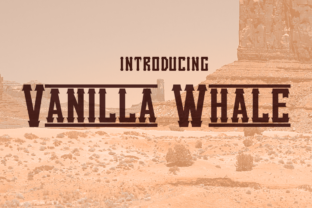
Vanilla Whale: A Retro-Inspired Display Font for Designers
Vanilla Whale is a thematic, display font that captures the essence of retro design. With its distinctive style and vintage appeal, it has become a popular choice among designers looking to add a nostalgic touch to their projects. Created by Typodermic, this free font offers a unique blend of simplicity and character that can elevate any visual composition.
For those interested in typography, Vanilla Whale presents an opportunity to explore how fonts can influence the overall aesthetic of a design. Its name evokes a sense of nostalgia, suggesting a connection to the past while maintaining a modern, versatile application. This makes it particularly appealing for projects that aim to evoke a specific era or mood.
Why Choose Vanilla Whale?
Designers may find Vanilla Whale appealing for several reasons. Its retro-inspired look can be ideal for branding, signage, or editorial work that requires a vintage feel. The font’s clean lines and subtle imperfections give it a handcrafted appearance, making it stand out in a sea of more rigid typefaces.
Additionally, Vanilla Whale is free to use, which makes it accessible to a wide range of users. For those on a budget or seeking high-quality alternatives without cost, this font provides a valuable resource. It also supports multiple languages, expanding its usability across different design contexts.
Benefits and Considerations
One of the primary benefits of Vanilla Whale is its ability to add personality to a design. Unlike more standard fonts, it brings a sense of uniqueness that can differentiate a project from others. This is especially useful in creative industries where originality is key.
However, there are considerations to keep in mind. While Vanilla Whale is suitable for display purposes, it may not be ideal for body text due to its decorative nature. The font’s distinct style can make it less readable in large blocks of text, limiting its practicality for certain applications.
Another factor to consider is the availability of alternative fonts. There are numerous other retro-style typefaces that may better suit specific needs. For example, if a designer requires a more polished or structured look, they might explore other options that offer similar aesthetics with improved legibility.
Situations Where Vanilla Whale Shines
Vanilla Whale excels in situations that benefit from a vintage or rustic aesthetic. It is well-suited for logos, posters, and packaging designs that aim to evoke a sense of nostalgia. Its character makes it a strong choice for projects targeting audiences who appreciate retro themes or historical references.
In addition, the font works well for headings, titles, and other prominent text elements. When used sparingly, it can create a striking visual impact without overwhelming the design. This makes it a go-to option for designers looking to add a unique flair to their work.
When Alternatives May Be Better
While Vanilla Whale has many strengths, there are scenarios where alternatives may be more appropriate. For instance, if a project requires a more neutral or professional look, a simpler typeface might be preferable. In such cases, the font’s distinctive style could detract from the intended message or tone.
Furthermore, designers working on digital interfaces may need to consider the font’s performance across different platforms. Some display fonts may not render consistently on all devices, which could affect the user experience. Testing the font in various environments is recommended to ensure optimal results.
Practical Decision-Making Insights
When deciding whether to use Vanilla Whale, it’s important to evaluate the specific needs of the project. Ask questions such as: Does the design require a bold, eye-catching font? Will the font enhance the overall message or theme? Is the font compatible with the intended medium?
Additionally, consider the target audience. If the design is aimed at a younger demographic, a more contemporary font might be more effective. Conversely, if the audience appreciates vintage aesthetics, Vanilla Whale could be an excellent fit.
Finally, take time to experiment with the font in different contexts. Testing it in mockups or prototypes can help determine whether it aligns with the desired outcome. This hands-on approach allows for a more informed decision and ensures that the font serves its purpose effectively.
Overall, Vanilla Whale offers a compelling option for designers seeking a retro-inspired display font. Its unique style, accessibility, and versatility make it a valuable tool in the right context. However, careful consideration of its strengths and limitations is essential to ensure it meets the specific requirements of each project.