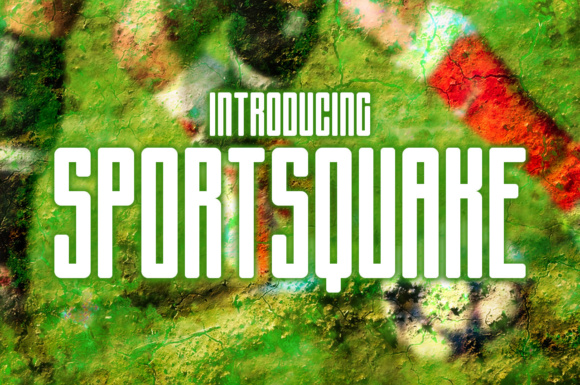
Sportsquake: A Bold New Sports Font for the Modern Era
In the ever-evolving world of typography, fonts play a crucial role in communication, branding, and visual identity. One such font that has recently gained attention is Sportsquake, a bold and dynamic typeface designed specifically for sports-related content. This article explores what Sportsquake is, why it might appeal to designers and marketers, and how it fits into the broader landscape of sports typography.
What Is Sportsquake?
Sportsquake is a modern sports font that combines strength, clarity, and energy. It is engineered to convey a sense of movement and intensity, making it ideal for use in sports logos, event promotions, and athletic branding. The font features sharp angles, bold strokes, and a clean design that stands out in both digital and print formats. Its unique style sets it apart from traditional sports fonts, offering a fresh and contemporary look.
Why Consider Sportsquake?
For designers and marketers working in the sports industry, choosing the right font can make a significant difference in how a brand is perceived. Sportsquake offers several advantages that may make it an attractive option:
- Visual Impact: The bold nature of Sportsquake ensures that text commands attention, which is essential in high-energy environments like sports events or advertisements.
- Versatility: While primarily designed for sports, the font can also be used in other contexts where a strong, energetic appearance is desired.
- Modern Aesthetic: With its clean lines and dynamic structure, Sportsquake aligns with current design trends, making it a relevant choice for contemporary projects.
Additionally, the font's readability is a key factor. Despite its boldness, Sportsquake maintains legibility even at smaller sizes, which is important for applications like signage, mobile interfaces, and web design.
Benefits and Tradeoffs
Like any font, Sportsquake comes with its own set of benefits and potential drawbacks. On the positive side, its striking appearance can help differentiate a brand or message in a competitive market. It is particularly effective when used in headlines, banners, or promotional materials where visual impact is critical.
However, there are tradeoffs to consider. The font's boldness may not be suitable for all types of content. In more formal or minimalist designs, Sportsquake could appear too aggressive or overwhelming. Additionally, while it is visually engaging, it may not be the best choice for long blocks of text due to its weight and style.
Another consideration is the availability and licensing of the font. Designers should ensure that they have the proper rights to use Sportsquake in their projects, especially if it is intended for commercial purposes. Some fonts require specific licenses, and failing to comply can lead to legal issues.
Situations Where Sportsquake Fits Well
Sportsquake is most effective in scenarios where a strong, energetic presence is needed. For example:
- Sports Logos: The font’s bold and dynamic style makes it ideal for creating memorable and impactful team or event logos.
- Event Promotions: Whether for a local sports tournament or a major league game, Sportsquake can help draw attention and create excitement.
- Branding Materials: From merchandise to digital ads, the font can enhance the overall look and feel of a brand’s visual identity.
It is also well-suited for digital platforms where quick recognition is important. In web design, for instance, Sportsquake can be used for headings, buttons, or call-to-action elements to guide user interaction effectively.
When Alternatives Might Be Better
While Sportsquake has many strengths, there are situations where alternative fonts may be more appropriate. For instance:
- Minimalist Designs: If the goal is to create a clean, understated look, a simpler font may be more effective than the bold and intense style of Sportsquake.
- Formal or Professional Contexts: In settings that require a more serious or elegant tone, a serif or sans-serif font might be a better fit.
- Long-Form Content: For extended text, such as articles or reports, a lighter font with higher readability is typically preferred.
Designers should also consider the target audience. What works for a youth sports league may not resonate with a professional sports organization. Understanding the audience’s preferences and expectations is key to selecting the right font.
Practical Decision-Making Insights
When deciding whether to use Sportsquake, it’s important to evaluate the specific needs of the project. Ask questions such as:
- What is the primary purpose of the design?
- Who is the target audience?
- What kind of visual impression do I want to create?
- Are there any constraints on font usage or licensing?
Testing the font in different contexts can also provide valuable insights. Experimenting with how Sportsquake looks in various sizes, colors, and backgrounds can help determine its effectiveness for a particular application.
Ultimately, the decision to use Sportsquake should be based on a balance between aesthetics, functionality, and practicality. It is a powerful tool for those looking to make a strong visual statement, but it requires thoughtful application to achieve the desired results.