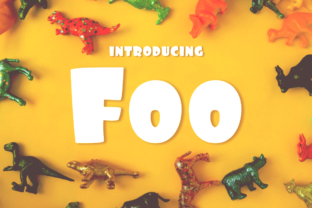
Foo: A Bouncy, Carefree Display Font for Creative Innovation
In the ever-evolving world of design and typography, a new name is making waves: Foo. This bouncy, carefree display font has captured the attention of professionals, creators, entrepreneurs, and marketers alike. With its playful yet sophisticated aesthetic, Foo is more than just a font—it's a statement. Whether you're working on a brand identity, a marketing campaign, or a personal project, Foo offers a unique blend of creativity and functionality that aligns with modern design trends.
The Rise of Expressive Typography
Typography has always been a cornerstone of visual communication, but in recent years, there's been a shift toward more expressive and dynamic typefaces. Designers are no longer satisfied with standard fonts; they seek something that reflects the personality of their work. Foo fits perfectly into this trend. Its bouncy, fluid strokes and whimsical curves bring a sense of movement and energy to any design, making it ideal for projects that aim to stand out in a crowded digital landscape.
This shift towards expressive typography is not just about aesthetics—it's also about connecting with audiences on a deeper level. In an era where consumers are bombarded with information, a visually engaging font can make all the difference. Foo helps brands and individuals cut through the noise with a style that's both memorable and authentic.
Why Foo is Gaining Attention
There are several reasons why Foo is gaining traction among designers and creatives. First and foremost, it's incredibly versatile. While it's a display font, it works well in a variety of contexts, from logos and headlines to social media graphics and web banners. Its flexibility makes it a valuable tool for anyone looking to add a touch of personality to their designs without sacrificing readability.
Another factor contributing to Foo's popularity is its alignment with current design trends. The rise of minimalism and clean lines has led to a renewed appreciation for fonts that balance simplicity with character. Foo achieves this by combining soft, rounded edges with a bold, confident presence. It's the perfect example of a font that feels modern yet approachable.
Moreover, Foo resonates with the growing emphasis on individuality and self-expression. In a world where customization is key, having a font that allows for creative freedom is invaluable. Whether you're designing a website, a mobile app, or a print ad, Foo gives you the tools to express your vision in a way that feels uniquely yours.
Foo in the Broader Creative Landscape
The success of Foo is not an isolated phenomenon—it's part of a larger movement in the creative industry. As businesses and individuals continue to prioritize visual storytelling, the demand for high-quality, distinctive fonts has never been higher. Foo is positioned at the intersection of this demand and the need for innovation.
One area where Foo shines is in branding. For startups and small businesses, a strong visual identity is crucial for standing out in a competitive market. A well-chosen font can help establish a brand's tone and values. Foo offers a fresh, energetic alternative to traditional corporate fonts, making it a great choice for brands that want to convey a sense of fun and creativity.
Additionally, Foo is well-suited for digital content creation. With the rise of social media platforms like Instagram, TikTok, and Pinterest, visual content has become more important than ever. Designers and marketers are constantly looking for ways to make their content more engaging and shareable. Foo provides a solution by adding a dynamic, eye-catching element to graphics, posts, and advertisements.
Practical Applications of Foo
Let's explore some real-world examples of how Foo can be used effectively. One common application is in logo design. A logo needs to be both memorable and scalable, and Foo offers a unique combination of these qualities. Its bouncy, flowing style can help create a logo that feels alive and dynamic, which is especially effective for brands targeting younger, more tech-savvy audiences.
Another practical use of Foo is in web design. Many websites now incorporate custom fonts to enhance user experience and brand recognition. Foo can be used as a headline font to draw attention to key sections of a site, such as calls to action or featured content. Its legibility at larger sizes ensures that it remains readable while still maintaining its distinct character.
For marketers, Foo can be a powerful tool in creating visually compelling campaigns. Whether it's for a social media post, an email newsletter, or a printed flyer, using Foo can help differentiate a message from the competition. Its playful yet professional look makes it suitable for a wide range of industries, from fashion and lifestyle to technology and education.
Foo and the Future of Design
As we look ahead, it's clear that Foo is not just a passing trend—it's a reflection of broader shifts in the design world. The increasing focus on personalization, authenticity, and emotional connection means that fonts like Foo will continue to play a significant role in shaping visual culture.
Furthermore, the integration of AI and machine learning in design tools is opening up new possibilities for typography. While Foo is already a standout font, future advancements may allow for even more dynamic and adaptive typefaces. However, the core principles that make Foo successful—creativity, versatility, and emotional resonance—will remain essential regardless of technological changes.
For professionals and creatives, embracing a font like Foo is not just about keeping up with trends—it's about staying relevant in a rapidly changing industry. By incorporating Foo into their work, designers can demonstrate a commitment to innovation and a deep understanding of contemporary design principles.
Conclusion
Foo is more than just a font—it's a symbol of the evolving relationship between design and expression. With its bouncy, carefree aesthetic, it offers a fresh perspective on typography that resonates with today's creative professionals. Whether you're a marketer, a designer, or a business owner, Foo provides a powerful way to communicate your message with style and substance.
As the design landscape continues to evolve, fonts like Foo will play an increasingly important role in shaping how we connect with audiences. By choosing Foo, you're not just selecting a typeface—you're making a statement about your brand, your creativity, and your place in the future of design.