6 Cells: Bold, Versatile, and Creative
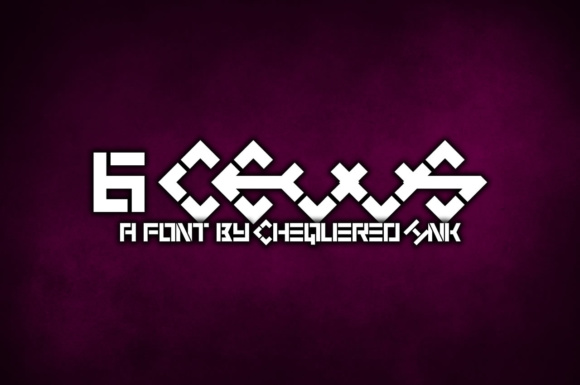
6 Cells is a display font that offers a unique blend of structure and personality. Designed by Chequerd Ink, it’s ideal for projects that need a strong visual identity without sacrificing readability. Its clean lines and geometric precision make it a go-to choice for designers, marketers, and creators looking for a modern, professional look.
What sets 6 Cells apart is its balance between simplicity and impact. The font’s name hints at its design—each character is built with a grid-like approach, giving it a structured yet expressive feel. This makes it perfect for headings, logos, and other high-impact text where clarity and style matter.
Why 6 Cells Stands Out
Fonts often fall into one of two categories: highly decorative or completely neutral. 6 Cells occupies a sweet spot in the middle, offering enough character to be memorable while remaining functional. It works well in both digital and print formats, making it a versatile tool for a wide range of applications.
One of the key strengths of 6 Cells is its adaptability. Whether you’re designing a website, creating social media content, or developing a brand identity, this font can be used across multiple platforms. Its consistent proportions ensure that it looks great in different sizes and contexts, from large headlines to smaller captions.
The font also has a subtle playfulness that can add personality to your work. While it’s not as whimsical as some display fonts, it still has a distinct voice that can help convey a specific tone or message. This makes it especially useful for brands that want to communicate professionalism with a touch of creativity.
Creative Possibilities with 6 Cells
Designers can use 6 Cells to create bold, eye-catching headlines that stand out without overwhelming the reader. Its clean lines make it easy to pair with other fonts, allowing for a layered and dynamic typographic hierarchy. For example, using 6 Cells for a main title and a more traditional serif font for body text can create a balanced and sophisticated look.
Marketers and advertisers can leverage 6 Cells for campaign slogans, product names, or taglines. Its strong visual presence helps messages resonate more effectively, especially in environments where quick recognition is key. Whether it’s for a print ad, a digital banner, or a social media post, 6 Cells adds a level of polish and clarity.
For educators and content creators, 6 Cells can be a valuable tool in making information more engaging. Using it for section headers, infographics, or presentation titles can help break up text and guide the audience through complex ideas. Its structured design also supports readability, which is essential when presenting educational or informative material.
Applications Across Industries
Business owners and entrepreneurs can use 6 Cells to build a strong brand image. From business cards to website headers, the font provides a consistent and professional look that reinforces credibility. It’s particularly effective for startups or small businesses looking to establish a modern and approachable identity.
Freelancers and creative professionals can incorporate 6 Cells into their portfolios to showcase their design skills. Using it in project titles, client testimonials, or case studies can add a refined touch that highlights attention to detail. It’s also a great option for personal branding, helping individuals stand out in competitive markets.
Bloggers and publishers can use 6 Cells to enhance the visual appeal of their content. Whether it’s for article titles, featured sections, or callout boxes, the font brings a sense of order and style that improves the overall reading experience. Its versatility allows it to fit into different editorial styles, from minimalist to more visually rich layouts.
Best Practices for Using 6 Cells
To get the most out of 6 Cells, consider the context in which it will be used. In larger sizes, it shines as a headline or logo, but in smaller sizes, it remains legible and easy on the eyes. Avoid overusing it in long blocks of text, as its stylized nature may reduce readability in extended paragraphs.
When pairing 6 Cells with other fonts, choose complementary typefaces that don’t compete for attention. A simple sans-serif or serif font can provide a nice contrast while maintaining visual harmony. Testing different combinations in real-world scenarios can help identify what works best for your specific project.
Experimenting with color and spacing can also enhance the impact of 6 Cells. Using bold colors or strategic white space around the text can draw attention and emphasize key messages. These adjustments can transform a basic design into something more dynamic and memorable.
Conclusion: A Font for Purposeful Design
6 Cells is more than just a font—it’s a design tool that empowers creators to express ideas with clarity and confidence. Its structured yet expressive style makes it suitable for a wide range of applications, from branding to content creation. By understanding its strengths and limitations, users can harness its potential to elevate their work and connect more effectively with their audiences.
Whether you're a designer, marketer, educator, or entrepreneur, 6 Cells offers a powerful way to communicate with style and substance. Its ability to balance form and function ensures that it remains a valuable asset in any creative toolkit.